You can learn how to sell digital products by identifying a profitable niche, creating high-quality assets like ebooks or courses, and selecting an e-commerce platform for distribution. Success requires building a targeted marketing strategy to drive traffic; this approach allows you to automate sales and generate passive income over time.
Many talented creatives spend months perfecting their craft only to realize they have no clear path to monetization. The transition from hobbyist to digital entrepreneur often feels like a technical maze filled with platform choices, legal complexities, and marketing hurdles. Establishing a scalable digital product business is not just about passive income; it is about reclaiming your time and building a brand that works while you sleep. In this guide, we break down the exact framework needed to turn your expertise into high quality downloads. You will learn how to identify profitable niches, select the right design toolkit, and navigate the specific legal requirements for Houston based businesses. We will also explore strategic marketing tactics that drive conversions without requiring a massive advertising budget, ensuring your side hustle thrives from day one.
Why Digital Products are the Ultimate Side Hustle for Modern Creatives

The modern economy offers a unique advantage for creators through the digital download model. Unlike traditional retail, digital goods operate on a low overhead, high margin foundation. There is no need for a warehouse or inventory management; your storefront is a server and your products are bits of data. For those learning how to sell digital products, the most compelling benefit is the ability to create a resource once and sell it indefinitely without restocking costs.
Physical goods come with the burden of shipping delays, damaged items, and rising raw material costs. Digital offerings bypass these hurdles entirely, providing an immediate delivery system that satisfies the modern customer's need for instant gratification. At EASYWAVE CREATIONS, we launched in Houston with a simple mission rooted in our own passion for organization and lifelong learning. We realized that our expertise in creating educational ebooks and digital planners could help others streamline their lives just as effectively as it did ours. By focusing on scalable business templates and resources, we turned creative skills into a sustainable stream of passive income. This transition from trading hours for dollars to building a library of reusable assets is what makes this business model the ultimate side hustle.
Identifying Profitable Digital Product Ideas That Actually Sell
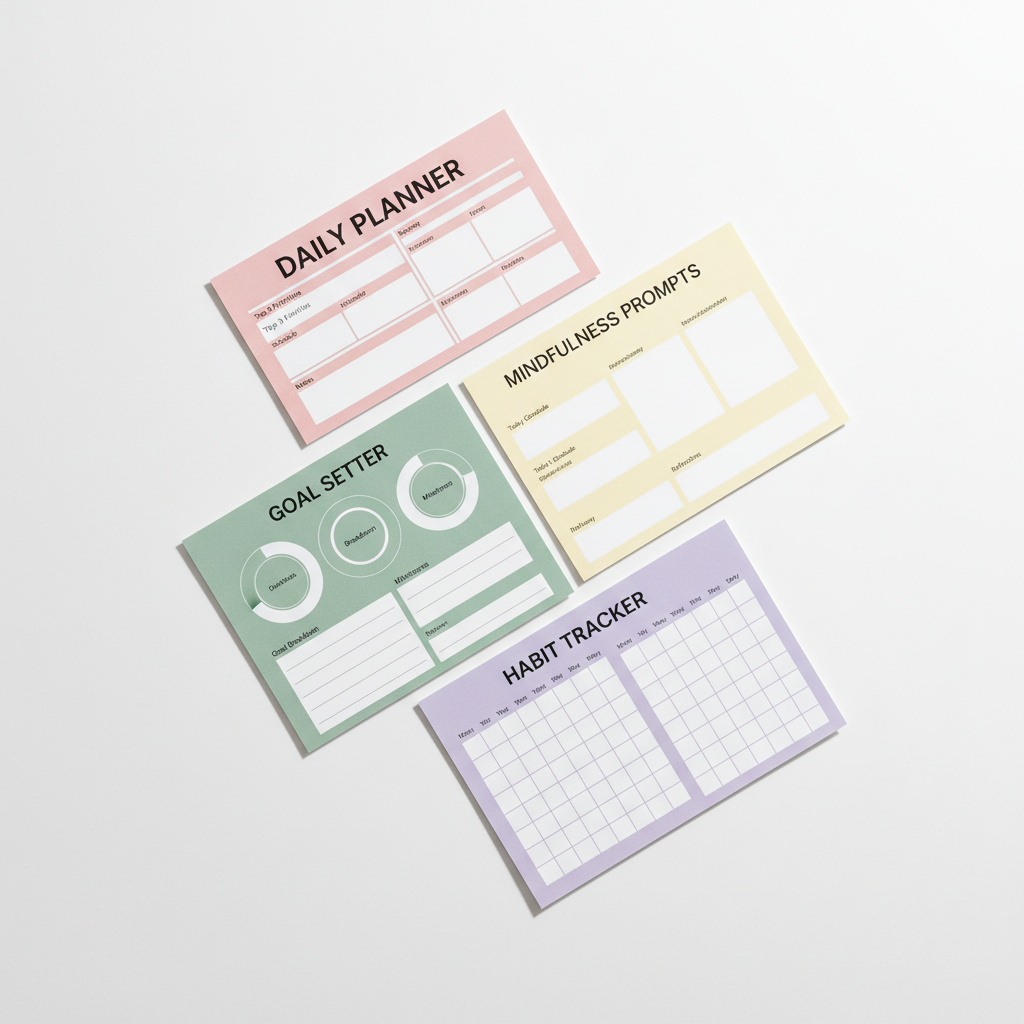
Success in the digital marketplace requires a shift from making what you like to making what the market needs. At EASYWAVE CREATIONS, we have identified four core categories that consistently resonate with buyers: educational ebooks, illustrated children’s stories, digital planners, and business templates. Each category serves a distinct purpose. Ebooks solve the how-to dilemma by packaging expertise into a digestible format. Children’s stories offer parents screen-free engagement or meaningful bedtime rituals. Planners help users regain control over their schedules, while business templates provide a professional shortcut for entrepreneurs who lack the time to design from scratch.
To determine which of these ideas will generate revenue, you must look for market gaps rather than following broad trends. Validation involves identifying a specific problem for a specific audience. For instance, a generic business invoice might struggle to gain traction in a crowded market. However, a Houston local business owner might find immense value in a Texas Small Business Launch Kit that includes localized networking planners or templates tailored to state-specific requirements. By narrowing your focus to a specific geography or a niche industry, you reduce competition and increase the perceived value of your work.
When researching how to sell digital products, look at existing listings and read the reviews. Negative reviews on popular items are goldmines; they tell you exactly what customers feel is missing. If users complain that a planner is too cluttered or an ebook lacks actionable worksheets, you have found your entry point. Your goal is to create a solution that addresses these specific frustrations. High-profit products are rarely those that try to appeal to everyone. Instead, they are the highly targeted resources that make a customer feel the product was designed specifically for their unique situation. This precision is what transforms a simple PDF into a must-have tool for your audience.
The Essential Toolkit for Creating High Quality PDFs and Downloads

Transforming a targeted idea into a polished asset requires a toolkit that matches your technical proficiency. For those just starting, Canva is the most accessible entry point. It provides a user friendly interface for designing educational ebooks and simple worksheets without requiring a background in graphic design. As your production needs grow, professional grade software like Adobe InDesign becomes the industry standard for managing complex typography and large scale layouts. If your focus is specifically on digital planners, tools like Keynote or Affinity Publisher are particularly effective for building the intricate internal linking structures and master pages required for high quality results.
The technical execution of your file directly impacts customer satisfaction. You must strike a careful balance between resolution and file size. For products intended for home printing, maintain a resolution of 300 DPI to ensure text and graphics remain crisp. Conversely, files that are too heavy can lead to slow download times and storage issues for the user. Utilizing PDF optimization tools to compress images while retaining clarity is a critical step before listing your product for sale.
To command a premium price, consider adding interactive elements that enhance usability. For business templates or comprehensive planners, incorporating clickable tabs and hyperlinked indexes allows the user to navigate through hundreds of pages with a single tap. This functionality transforms a static document into a dynamic tool, which is a major factor when learning how to sell digital products that truly resonate with modern consumers. Mastery of these tools ensures that your digital downloads are as functional as they are beautiful.
Where to Sell Your Digital Products: Choosing the Right Platform
Selecting the right marketplace determines your profit margins and how you interact with your customers. Once your files are optimized, you must choose a platform that balances ease of use with long-term growth potential.
Etsy is frequently the first stop for creators due to its built-in audience. It functions as a massive search engine for niche goods, making it easier to be discovered without a pre-existing social media following. However, this convenience comes with listing fees and transaction costs that can reduce your take-home pay. Furthermore, your brand is often secondary to the Etsy ecosystem, making it harder to build a loyal, direct customer base.
Shopify offers a different approach by providing total brand control. It allows you to build a dedicated brand home, much like we do at EASYWAVE CREATIONS, where you can showcase digital planners or business templates without competing directly with other sellers on the same page. While it requires a monthly subscription and more effort to drive your own traffic through SEO or social media, it is the superior choice for scaling a professional business.
Gumroad serves as a middle ground, favoring simplicity and quick setups. It is particularly effective for those who primarily sell via direct social media links. When evaluating these options for how to sell digital products, pay close attention to transaction fees, especially for international sales. If you are selling educational ebooks to a global audience, your platform must handle various currencies and deliver files instantly to customers in the United States and abroad. A seamless checkout process reduces cart abandonment and establishes the professional trust necessary to sustain a digital storefront.
Legal Basics and Setting Up Your Business in Houston, Texas
Establishing a formal legal entity is the foundational step for any creator building a professional storefront. In Texas, registering as a Limited Liability Company (LLC) through the Secretary of State provides a layer of protection for your personal assets. If you are operating as a sole proprietor under a trade name in Houston, you must file an Assumed Name Certificate, commonly known as a DBA, with the Harris County Clerk’s Office. This localization ensures you are compliant with regional business regulations before you process your first transaction.
Navigating the financial landscape of how to sell digital products requires an understanding of the Texas Comptroller’s requirements. Unlike some states, Texas treats digital downloads, including digital planners and business templates, as taxable tangible personal property. You must apply for a Sales and Use Tax Permit and collect the appropriate local and state taxes for Texas based customers. While the state offers a 20 percent exemption on the sales price of certain digital programs, most creators should expect to manage the standard 8.25 percent rate for Houston residents.
Protecting your intellectual property is the final piece of the legal puzzle. For original works like educational ebooks or illustrated stories, copyright protection is technically automatic upon creation. However, formally registering your work with the U.S. Copyright Office is a prudent move. It provides the legal standing necessary to defend your proprietary designs and content against unauthorized distribution or resale.
Marketing Strategies to Drive Your First Sales Without a Huge Budget

Securing your legal foundation allows you to shift focus toward visibility. Generating initial momentum does not require a massive advertising budget; instead, it relies on strategic organic distribution and community building. Pinterest is an indispensable tool for visual assets such as digital planners. Because Pinterest functions as a visual search engine, creating high quality, vertical pins that showcase the interior pages of your downloads can drive consistent traffic for months. Using relevant keywords in your pin titles helps your work surface when users search for organizational tools or inspiration.
A cornerstone of understanding how to sell digital products effectively is the freebie strategy. By offering a sample page or a condensed version of your educational ebooks in exchange for an email address, you create a lead magnet. This builds an email list of interested individuals who have already vetted the quality of your work. Having a direct line of communication with your audience is far more valuable than a social media following, as it allows you to announce new business templates directly to people most likely to buy.
To make a digital file feel tangible, invest time in professional mockups. Placing your designs inside a digital frame of a tablet or on a styled desktop helps customers visualize the product in their daily lives. Furthermore, lean into your local Houston roots. Engaging with local creative communities or Texas specific entrepreneur groups on Facebook can build early brand awareness. By offering genuine advice and sharing your journey in these niche spaces, you establish a reputation as an expert, often resulting in those first few critical sales from your own community.
Common Pitfalls to Avoid When Launching Your Digital Shop
Analysis paralysis often prevents creators from ever launching. Perfectionism is a trap; it is better to release a functional version and iterate based on user data. A common mistake is failing to test files on multiple devices. Business templates may display correctly on a desktop but fail on mobile screens. Always verify your digital planners across various tablets to ensure hyperlinked tabs remain responsive. Additionally, provide a clear 'how to use' guide with every download. This simple step reduces support queries and improves the customer experience. Understanding how to sell digital products effectively involves valuing initial feedback to improve your educational ebooks and resources over time.